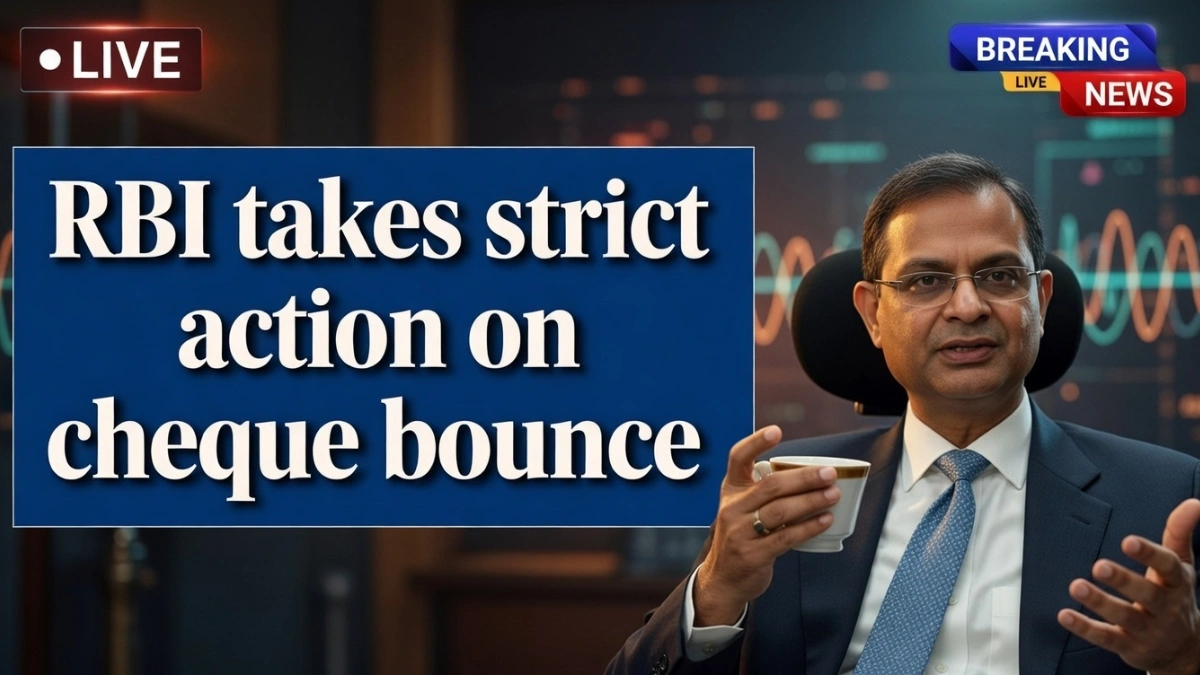
The Reserve Bank of India (RBI) has introduced stricter measures for check bounce cases in 2026, highlighting the importance of caution for both individuals and businesses. With rising incidents of dishonored checks, the RBI’s new regulations aim to discourage misuse and protect the financial system. Awareness of these changes is essential to avoid penalties, legal complications, and financial loss.
New RBI Rules for Check Bounce
Under the updated regulations, banks and financial institutions are required to report bounced checks more promptly. Stricter penalties may apply depending on the cheque amount and frequency of dishonor. The RBI also emphasizes better compliance checks for both account holders and payees. Multiple bounced checks can lead to restrictions on banking privileges and potential legal action under the Negotiable Instruments Act.
Penalties and Legal Implications
Individuals or businesses whose checks bounce may face higher fines and charges. Repeat offenders could experience account restrictions, warning notices, or legal proceedings, including imprisonment in severe cases. These actions reinforce the seriousness of honoring cheques and encourage careful financial management. Banks are now required to maintain detailed records of all bounced transactions for regulatory review.
How to Avoid Check Bounce Situations
To comply with the new RBI guidelines and avoid penalties:
- Always ensure sufficient funds in your account before issuing a check.
- Double-check account details like MICR, IFSC, and beneficiary information.
- Avoid issuing checks during bank holidays or over weekends if funds might not clear in time.
- Keep track of pending payments and automatic debits that might reduce account balance.
- Opt for digital payment alternatives where feasible, reducing the risk of bounced cheques.
RBI Check Bounce Rules Overview
| Aspect | Details |
|---|---|
| Rule Update | Stricter monitoring and reporting of check bounces |
| Penalty | Higher fines, account restrictions, potential legal action |
| Applicability | Individuals, businesses, repeat offenders |
| Compliance | Maintain sufficient funds, correct cheque details |
| Enforcement | Banks report promptly to RBI and maintain records |
This table summarises the updated RBI rules and their key implications for cheque users and banking institutions.
Impact on Banking and Transactions
The stricter RBI rules aim to promote responsible banking practices, reduce fraud, and improve financial discipline. For businesses, honoring checks becomes crucial to maintain credibility, while individuals must carefully manage finances. These measures also benefit recipients by increasing the likelihood of successful cheque clearance.
Conclusion
The RBI 2026 check bounce rules reinforce caution and responsibility for all cheque issuers. By understanding the new penalties and following simple preventive measures, account holders can avoid financial and legal complications. Both individuals and businesses are encouraged to adopt good banking practices and consider alternative digital payment methods when appropriate.
Disclaimer: This article is for informational purposes only. RBI regulations, fines, and procedures may vary, and readers should consult official RBI notifications or their bank for updated details.