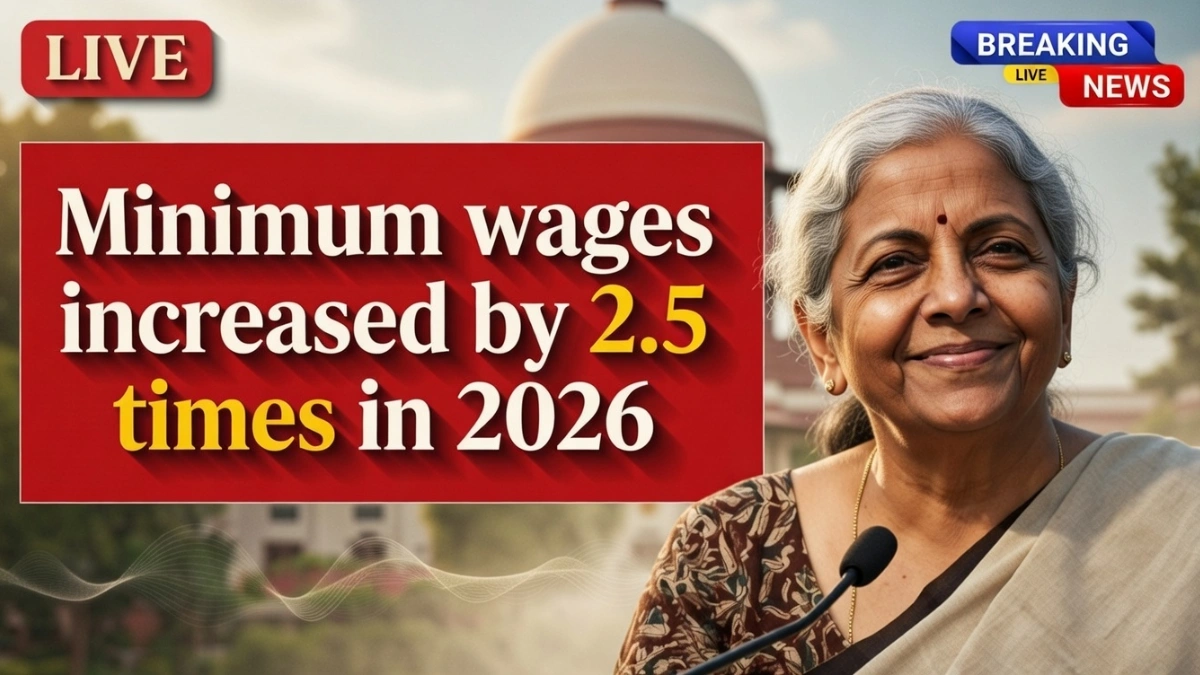
In a major relief for laborers, the government has announced a 2.5 times increase in minimum wages in 2026. This move is expected to enhance the financial stability of millions of workers across industries, ensuring fair compensation and improved living standards. The wage hike applies to both organized and unorganized sectors, reflecting a strong commitment to labor welfare.
Impact on Workers and Families
The substantial increase in minimum wages means laborers will have more disposable income, improving household budgets and purchasing power. Families can now better afford essentials such as food, healthcare, education, and housing. The wage hike also contributes to overall socio-economic upliftment by reducing financial stress on low-income households.
Sector-Wise Wage Hike Details
Different sectors will experience varied increases based on industry, region, and worker category. Unskilled, semi-skilled, and skilled laborers are all set to benefit from the revised wage structure. Government and private sector employers must comply with these new wage norms to ensure fair payment to their employees.
How the Wage Increase Will Be Implemented
The labor minimum wage hike will be implemented through official notifications by the Ministry of Labor and Employment. Employers are required to update salary structures and ensure compliance with new wage rates. Labor inspectors may monitor implementation to prevent violations, and affected workers are encouraged to report discrepancies through official grievance channels.
Labor Minimum Wages Hike 2026 Overview
| Category | Previous Minimum Wage | New Minimum Wage (2026) |
|---|---|---|
| Unskilled Workers | ₹200 per day | ₹500 per day |
| Semi-Skilled Workers | ₹300 per day | ₹750 per day |
| Skilled Workers | ₹400 per day | ₹1,000 per day |
This table highlights the 2.5 times increase in minimum wages across different categories of laborers, providing clarity on revised pay scales.
Benefits Beyond Wages
Apart from higher salaries, the wage hike is expected to improve worker morale, reduce poverty, and promote economic activity. Increased earnings can stimulate demand in local markets, benefitting businesses and communities. The measure aligns with government efforts to strengthen social welfare and ensure fair labor practices nationwide.
Conclusion
The 2026 labor minimum wages hike marks a significant step toward financial security and fair treatment for workers. With a 2.5 times increase across all major labor categories, employees and their families will benefit from enhanced purchasing power and improved living conditions. Employers and workers alike must stay informed about the updated wage rules to ensure compliance and full advantage of this relief.
Disclaimer: This article is for informational purposes only. Minimum wage rates, sector applicability, and implementation timelines may vary by state and government notification. Official government sources should be consulted for accurate and updated information.