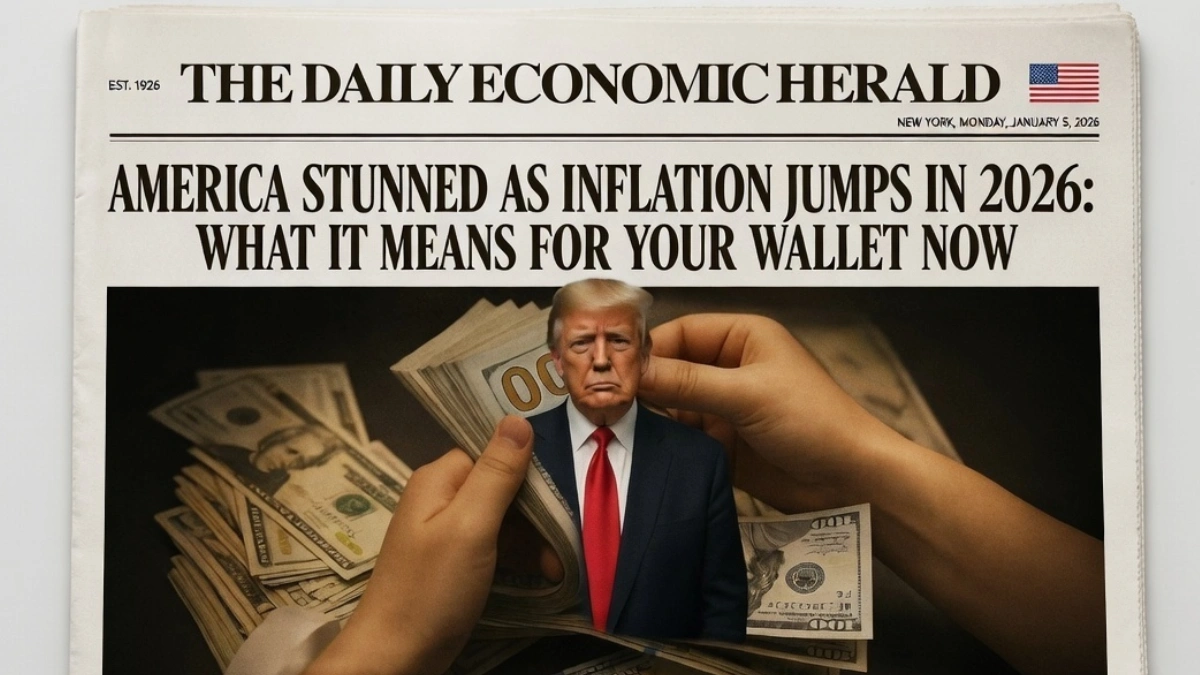
The United States has seen a sharp increase in inflation in 2026, surprising economists and consumers alike. Rising prices affect essential goods, services, and housing costs, impacting household budgets across the nation.
Federal reports indicate that inflation has accelerated due to energy costs, supply chain pressures, and higher consumer demand, making financial planning critical for families.
Impact on Everyday Expenses
Consumers are facing higher prices for groceries, gasoline, healthcare, and utilities. A typical household could see an increase of $200–$400 per month in routine expenses depending on location and spending habits.
Households must adjust budgets to accommodate rising costs, and consider discount programs, cashback options, and energy-saving measures to reduce the impact.
State-Wise Inflation Table (Sample)
| State | Monthly Expense Increase ($) | Yearly Inflation Rate (%) | Notable Price Drivers |
|---|---|---|---|
| California | 400 | 5.8 | Housing, Gasoline |
| Texas | 300 | 5.2 | Energy, Food |
| New York | 380 | 5.6 | Rent, Healthcare |
| Florida | 320 | 5.3 | Utilities, Gas |
| Pennsylvania | 290 | 5.1 | Groceries, Transport |
| Illinois | 310 | 5.2 | Energy, Housing |
The table shows sample state-wise monthly expense increases and yearly inflation rates, highlighting key contributors to rising costs.
How Inflation Affects Savings and Investments
High inflation reduces purchasing power, meaning savings lose value over time if interest rates do not keep up. Investments in inflation-protected assets, stocks, and real estate may help mitigate the impact, while cash holdings may face erosion in real value.
Tips for Managing Your Wallet
Consumers should budget carefully, limit discretionary spending, and consider inflation-hedged investments. Comparing prices, using digital tools, and reducing debt can also help households cope with higher costs. Monitoring economic news and federal policy updates helps plan for future inflation trends.
Conclusion
The inflation spike in 2026 affects every household across the U.S., raising the cost of essentials and reducing purchasing power. Strategic budgeting, smart spending, and informed investment decisions are crucial to protect your wallet and maintain financial stability amid rising prices.
Disclaimer: This article is for informational purposes only. Inflation rates, price increases, and economic impacts are subject to official government and financial data. Readers should consult official economic reports or financial advisors for the most accurate and updated guidance.