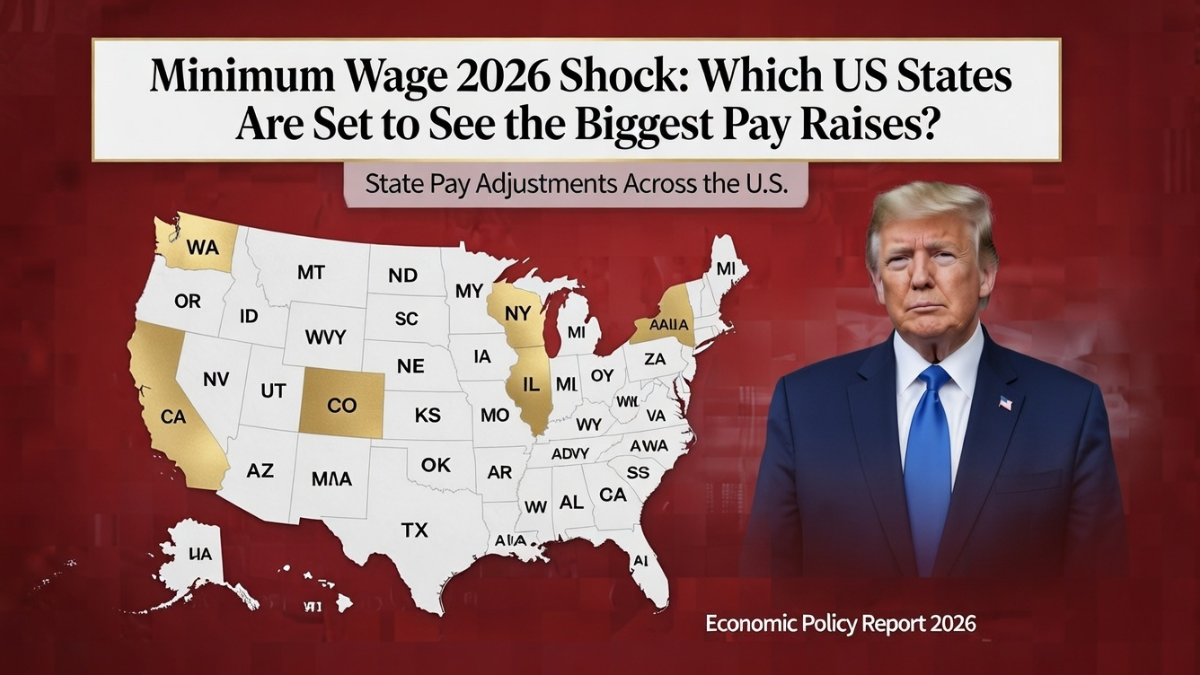
As 2026 approaches, millions of American workers are closely watching minimum wage updates across the country. While the federal minimum wage remains unchanged, many states are moving ahead with scheduled increases that could significantly boost hourly pay.
For workers in retail, hospitality, food service, and entry level positions, these changes may directly impact monthly income, household budgeting, and long term financial stability. Here is a detailed look at what to expect in 2026 and which states could see the biggest wage gains.
Why Minimum Wages Are Increasing in 2026
Several states have already passed laws that gradually raise minimum wages each year until they reach a specific target. Others adjust wages automatically based on inflation. These built in increases are now set to take effect in 2026.
The goal behind these adjustments is to help workers keep up with rising living costs, including housing, groceries, transportation, and healthcare. As inflation has impacted daily expenses in recent years, states are under pressure to ensure wages remain competitive.
Federal vs State Minimum Wage in 2026
The federal minimum wage remains at 7.25 dollars per hour unless Congress approves a change. However, states are allowed to set their own minimum wages above the federal rate.
In 2026, many states will continue to offer significantly higher hourly pay than the federal baseline. Employers must follow whichever rate is higher between federal and state law.
States Expected to See the Biggest Gains
Some states are scheduled to reach major wage milestones in 2026 due to previously approved legislation. These states could see some of the largest year over year increases.
States such as California, New York, Washington, and Massachusetts are among those often leading wage growth due to cost of living adjustments or phased wage targets. Certain cities within these states may even have higher local minimum wage rates.
Other states with inflation indexed systems may see automatic adjustments based on economic data released in late 2025.
How Inflation Based Increases Work
In states that tie minimum wage to inflation, the hourly rate increases annually according to consumer price index changes. If inflation remains elevated, wage adjustments in 2026 could be noticeable.
This system ensures wages maintain purchasing power without requiring new legislation each year. However, the size of the increase depends on the official inflation calculation for the previous year.
Impact on Workers and Businesses
For workers, a higher minimum wage can provide increased financial stability and help offset rising living costs. A one dollar increase per hour can translate into thousands of dollars in additional annual income for full time employees.
For businesses, especially small employers, higher wages may increase operational costs. Some businesses respond by adjusting prices, reducing hours, or investing in automation to manage expenses.
The overall economic impact depends on regional labor markets and business conditions.
Who Benefits the Most in 2026
Workers in hospitality, retail, healthcare support roles, and service industries are most likely to benefit from minimum wage increases. Younger workers and part time employees may also see improved earnings.
In states with higher living costs, wage increases can have a stronger effect on household budgets. Workers in metropolitan areas often experience the most noticeable changes due to higher local wage standards.
What Employees Should Do Now
Workers should check official state labor department announcements toward the end of 2025 to confirm updated rates effective January 2026.
If your wage does not reflect the new minimum after implementation, you may contact your state labor office for clarification.
Understanding your state specific wage law ensures you receive the correct compensation.
Long Term Outlook for Minimum Wage in the US
The debate over raising the federal minimum wage continues at the national level. While no confirmed federal increase is in place for 2026, state led changes are shaping wage growth across the country.
As cost of living pressures persist, additional states may propose further increases in coming years.
Conclusion
Minimum wage increases in the United States in 2026 are largely driven by state laws and inflation adjustments rather than a federal change. States with phased wage targets or inflation based systems are expected to see the biggest gains.
Workers should stay informed about their state’s official wage rate and verify updates before the new year begins. Understanding these changes can help individuals plan finances and prepare for higher earnings in 2026.
Disclaimer: Minimum wage laws vary by state and are subject to legislative updates. Employees should confirm official rates through their state labor department before taking action.