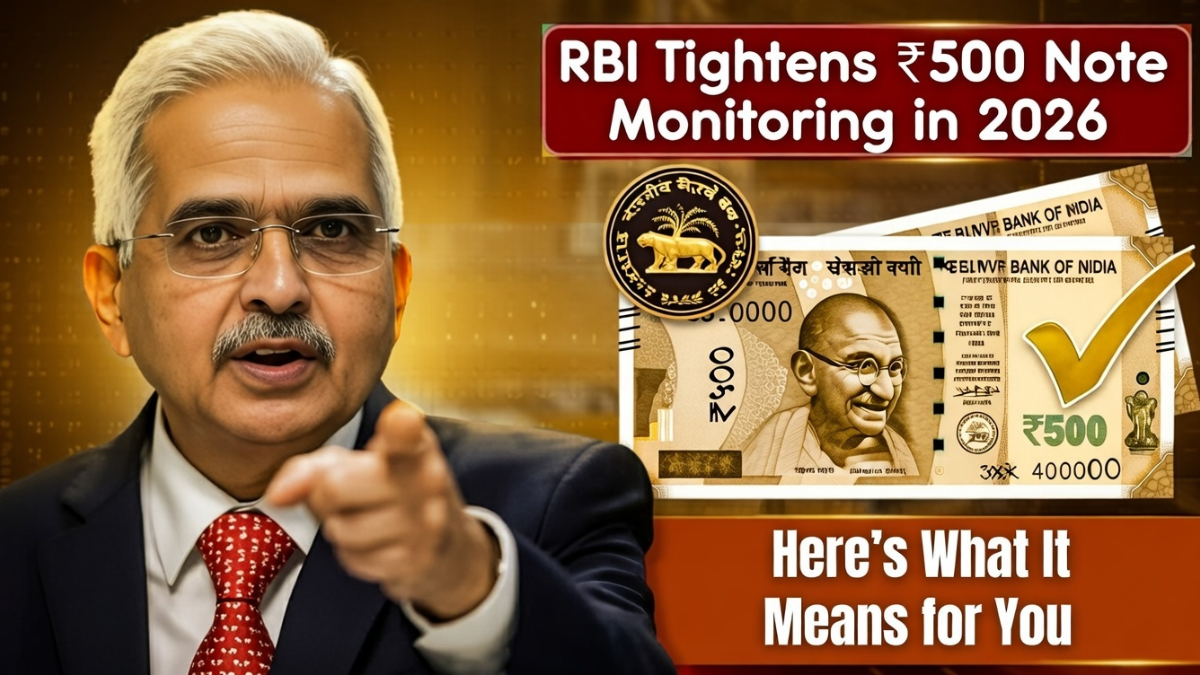
A major update regarding the ₹500 currency note has triggered widespread attention in 2026. The latest guidelines linked to high-value cash handling are creating confusion among citizens, shopkeepers, and small businesses. With ₹500 notes being one of the most widely circulated denominations in India, any rule change naturally sparks concern.
Here is a clear breakdown of what the new ₹500 note guidelines mean and how they may affect your daily cash transactions.
Why the ₹500 Note Update Is Making Headlines
The ₹500 note plays a central role in everyday payments, from retail shopping to utility bills. Because of its high usage, any regulatory clarification or banking advisory immediately attracts public focus.
The 2026 update revolves around strengthened compliance norms, cash verification standards, and stricter scrutiny of suspicious transactions. These measures are aimed at improving transparency and preventing misuse of high-denomination currency.
Citizens are advised not to panic but to understand the guidelines properly.
What the New Guidelines Focus On
The updated framework emphasizes:
Stronger monitoring of large cash deposits
Improved counterfeit detection procedures
Enhanced reporting norms for suspicious activity
Clearer compliance responsibilities for banks and financial institutions
For regular citizens, this does not mean that ₹500 notes are being withdrawn or banned. Instead, the focus is on ensuring secure circulation and reducing illegal cash handling practices.
Are ₹500 Notes Still Valid?
Yes, ₹500 notes continue to remain legal tender. There is no announcement regarding discontinuation or replacement of the existing valid series.
However, damaged or excessively worn-out notes may be subject to standard exchange rules at banks. Citizens are encouraged to handle currency carefully and avoid accepting visibly suspicious notes.
Understanding the difference between regulatory tightening and currency withdrawal is crucial to avoid unnecessary panic.
Impact on Cash Deposits and Transactions
With enhanced monitoring mechanisms in place, large or unusual cash deposits may attract scrutiny under existing financial regulations.
This does not affect ordinary transactions such as daily purchases or routine bank deposits. However, individuals making substantial cash deposits should ensure proper documentation and compliance with applicable financial norms.
The move is primarily targeted at preventing financial irregularities rather than restricting normal usage.
What Citizens Should Do Now
To stay compliant and avoid inconvenience:
Verify the authenticity of ₹500 notes before accepting them
Keep transaction records for large cash dealings
Avoid spreading unverified rumors about note bans
Follow official banking advisories for exchange or deposit queries
Responsible handling of cash and awareness of updated guidelines can prevent unnecessary stress.
Why This Update Matters in 2026
Digital payments have grown rapidly, yet cash continues to play a vital role in India’s economy. Strengthening currency management rules helps maintain trust in the financial system.
The 2026 clarification around ₹500 notes is part of broader efforts to enhance transparency and safeguard the integrity of high-value currency circulation.
For most citizens, the change will not alter daily financial habits, but staying informed ensures smooth transactions.
Common Misconceptions Clarified
One of the biggest misconceptions circulating is that ₹500 notes are being banned. There is no official confirmation of such action. The guidelines are regulatory in nature and focus on compliance and monitoring, not withdrawal.
It is important to rely only on verified announcements and avoid reacting to viral messages or social media speculation.
Conclusion
The ₹500 Note Rule Shock 2026 has created buzz, but the reality is centered on stricter compliance and monitoring rather than currency invalidation. Citizens can continue using ₹500 notes as usual while remaining aware of updated banking norms.
Staying informed and cautious with high-value cash transactions will help ensure seamless financial activity without disruption.
Disclaimer: This article is for informational purposes only. Readers should refer to official banking and regulatory notifications for precise details and updates.